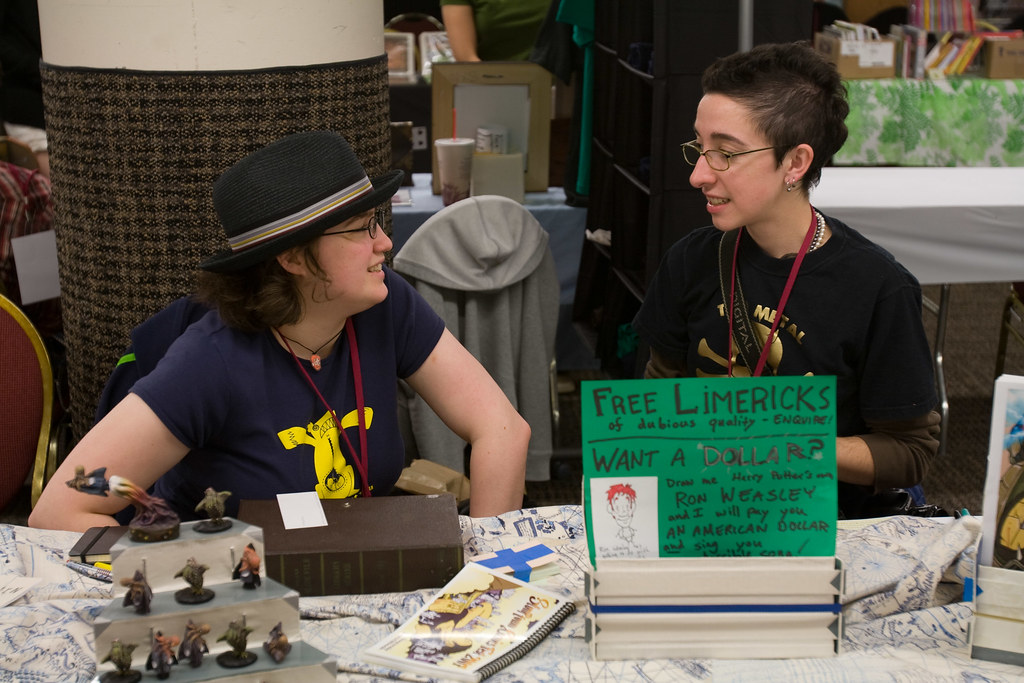
This is part one of a short documentary about the comic book scene in Portland Oregon.
It was made in 2005 and shown at the 2nd annual Stumptown Comics Fest.
on Youtube you can watch it in High Quality
-Swinebread

Portland's thriving community of comics creators and publishers -- including Dark Horse Comics, Oni Press and Top Shelf Productions -- is playing a major role in feeding the silver screen's voracious appetite.
"Portland," says Eric Gitter, Oni Press' L.A.-based producing partner, "is the Hollywood of comic books."
The week before Batman and the Joker commandeered the nation's cineplexes, the No. 1 movie in the country was "Hellboy II: The Golden Army," adapted from the comics series published by Milwaukie-based Dark Horse Comics. Although it fell from its perch in the "Dark Knight" onslaught, even a brief stay on top can do wonders for your visibility, Dark Horse founder Mike Richardson says.
"My phone's been ringing," Richardson says. "Lots of people have been calling and saying, 'Congratulations! Oh, and by the way, I have a project . . .' "
Although publishers won't reveal exactly how much money such Hollywood deals add to their revenue stream, Richardson says the movie connection may account for Dark Horse's sales records for three consecutive years. "We're heading for another record this year, despite the economy," Richardson says. Dark Horse Entertainment has offices at Universal Studios and Sunset Gower Studios in Los Angeles and is developing a slate of productions.
Portland's Oni Press, with several projects in development, has added staff. "We're at seven people now in Portland and two in L.A.," Oni Press co-founder Joe Nozemack says.
Local comics publishers aren't necessarily driving Jaguars and rolling in dough, Nozemack says. "You're not looking at serious amounts of money until the films are actually made. But the money that creators get for option rights gives them the freedom to do their own thing rather than working on somebody else's characters."

There has been a distinct cultural shift in the last decade, as graphic novels have gained a wide readership, superhero comics have been mined for both academic and "literary" material (see: Douglas Wolk, Jonathan Lethem, Michael Chabon), and girls weaned on Japanese entertainments like Pokémon have gravitated en masse to manga. Put another way: Even my mom has read Persepolis. Anyone who still has hang-ups about buying comics need only set foot in the casually welcoming Cosmic Monkey Comics or North Portland's sleek Bridge City Comics to dispel all lingering stereotypes about the Comic Book Guy. So by now everyone in Portland knows that, to quote one of the most clichéd newspaper headlines ever, "comics aren't just for kids anymore." (Kapow!) You may not know, however, that local publishers Top Shelf, Oni Press, and Dark Horse have all had a hand in this shift. With April's designation as Comics Month, as Oni Publisher Joe Nozemack puts it, "Finally, the city is paying attention."
The root of Portland's comic book ascendance arguably rests with Dark Horse Comics' Mike Richardson. As Richardson himself says, "I helped bring a huge part of the comics industry here." Dark Horse is both the oldest and the largest of the three local publishers, and many folks in the industry who moved to town to work there have gone on to other projects in the area. The company, which Richardson started in 1986 with a $2,500 credit card, has grown to become the third-largest comics publisher in the United States (behind DC Comics and Marvel). From their Milwaukie headquarters, Dark Horse publishes series like Star Wars and Buffy the Vampire Slayer (the television show was cancelled after seven seasons; season eight is currently running in comic book form), as well as well-known titles like Frank Miller's Sin City and Mike Mignola's Hellboy. They're also the longest-running publisher of manga in the US; Richardson's early embrace of Japanese comics proved prescient, as young women have flocked to manga in droves (pounding a few more nails in the Comic Book Guy's coffin).




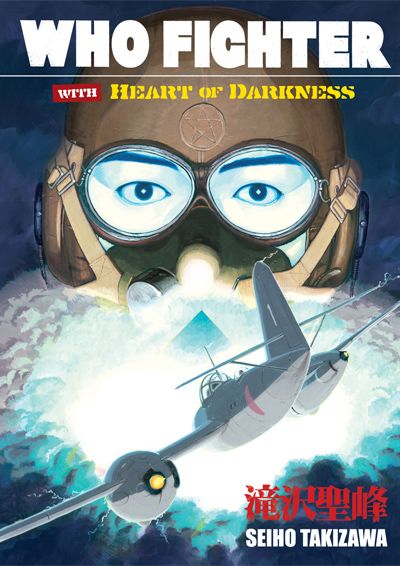 I also finished reading Who Fighter by Seiho Takizawa. It’s a trade that collects a few one off manga stories. I enjoyed it quite a bit. From the backcover:
 the first story in this anthology, "Who Fighter," is a play on the legendary "Foo Fighters," the nickname given to the mysterious, UFO-like fireballs that were sighted by World War II pilots. An ace Japanese pilot manages to shoot one of the fireballs down . . . or does he? As ominous signs and visions begin to follow in his steps, the bewildered pilot wonders if he's lost not only his memory of the incident–but also his very mind! The second story, "Heart of Darkness," is Takizawa's unique take on the Joseph Conrad novel that inspired the film Apocalypse Now. A Japanese war hero, Colonel Kurutsu, has gone rogue, setting up his own private kingdom deep upriver in the jungles of Burma. A young captain, sent to execute Kurutsu, finds that the true reasons for the Colonel's "desertion" are very different from what he was toldI wish Mr. Takizawa would have created a continuing series for who fighter, as the concept was very engaging and weird War is another of my favorite genres.